
Inland Waterway Routes in Poland: The Oder, Vistula and Warta Corridors
An overview of Poland's principal river systems, navigability classes, seasonal conditions, and connections to European transport corridors E30 and E70.
Read article ›Reference information on river routes, port infrastructure, freight documentation, and navigation requirements for cargo operators working on the Oder, Vistula, and Baltic corridors.
Topics
The site addresses three interconnected areas relevant to freight operations on Poland's inland waterways and Baltic ports.
Navigability classes, seasonal conditions, and the structure of the Oder, Vistula, and Warta corridors — including international connections under the AGN agreement.
Terminal configurations at Gdańsk and Szczecin-Świnoujście, intermodal connections, and the operational relationship between river barge access and seaport facilities.
Consignment notes under the CMNI convention, customs procedures under the Union Customs Code, ADN dangerous goods certificates, and RIS electronic reporting requirements.
Articles
Each article presents factual information drawn from publicly available regulatory and official sources.
An overview of Poland's principal river systems, navigability classes, seasonal conditions, and connections to European transport corridors E30 and E70.
Read article ›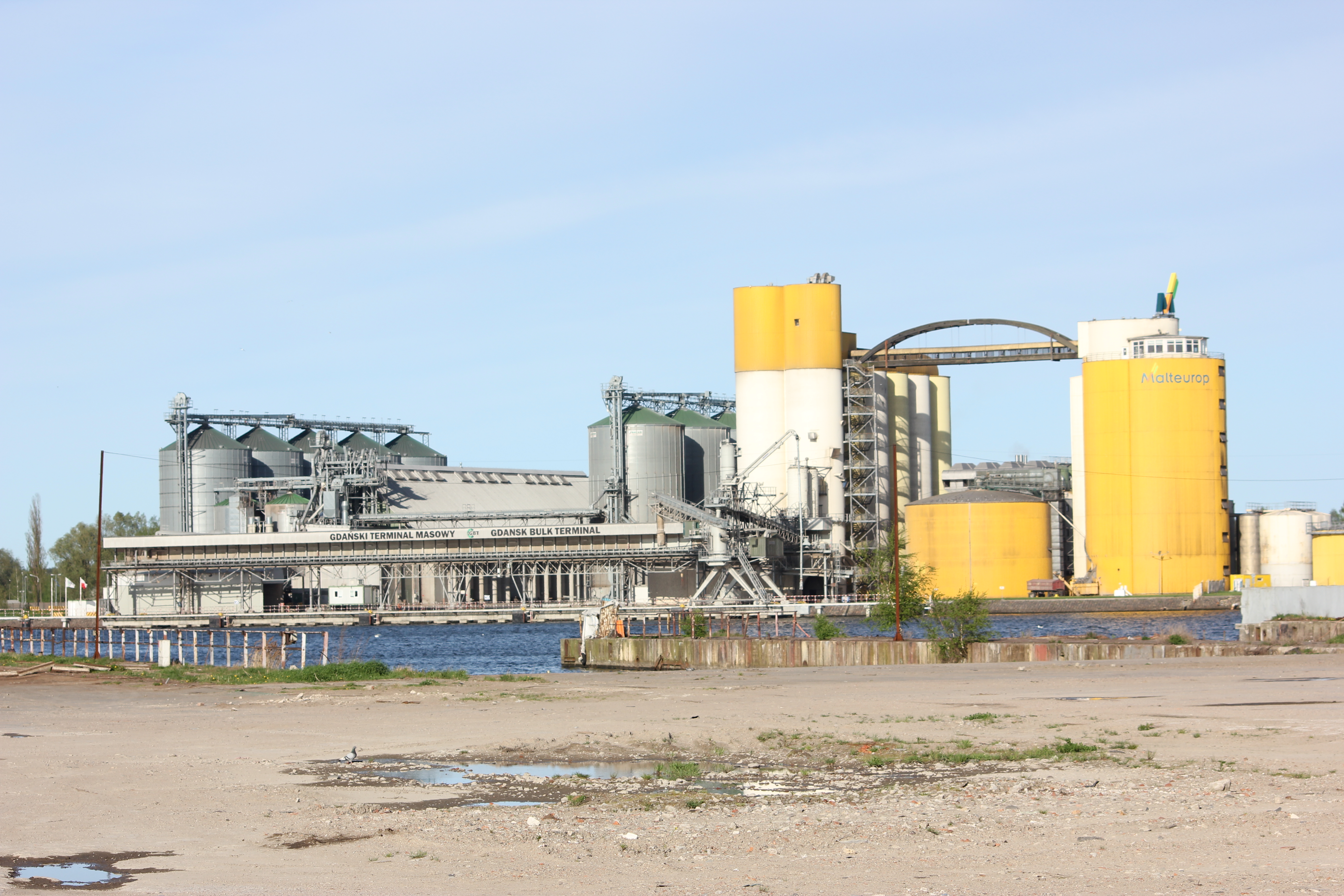
Terminal facilities, berth specifications, intermodal access, and the operational relationship between river barge traffic and seaport functions at Poland's two main Baltic ports.
Read article ›
CMNI consignment notes, UCC customs clearance, ADN dangerous goods documentation, and RIS electronic voyage reporting for inland waterway operators in Poland.
Read article ›Context
Poland's navigable inland waterways extend across several river systems, with the Oder (Odra) forming the most commercially active corridor. The lower Oder between Szczecin and the German border is classified as international waterway E30 under the UNECE AGN agreement, enabling transit connections toward the Rhine-Main-Danube axis.
The Vistula, despite being Poland's longest river, presents persistent navigability challenges on its middle section. Commercial freight operations are primarily concentrated on the lower Vistula and the Bydgoszcz Water Junction, where the Noteć River connects westward toward the Warta and Oder.
The ports of Gdańsk and Szczecin-Świnoujście serve as the Baltic gateways for seaward export and import, with Szczecin uniquely accessible to both river barges and medium-sized seagoing vessels via the dredged Świna channel.